
Beyond Welding: How Structural Adhesives Are Solving the Dissimilar Metal Joining Challenge
Reading Time: 6 minutesIn this blog, discover how Structural Adhesives for Dissimilar Metal Joining are outperforming traditional welding by eliminating heat damage, preventing corrosion, and creating lighter, stronger bonds in modern manufacturing.
If you work in manufacturing, you already know this problem: joining different materials is not easy. Aluminum to steel. Metal to composites. Lightweight parts to high-strength frames. Traditional welding methods often struggle here — and sometimes, they simply don’t work.
Now, as industries push for lighter, stronger, and more efficient products, this challenge is becoming more common than ever.
So what’s the solution?
More and more manufacturers are moving beyond welding and choosing structural adhesives — especially advanced epoxy systems — to solve this issue effectively.
Let’s break it down in simple terms.
Why Traditional Welding Falls Short
Welding has been a trusted method for decades. But it comes with serious limitations when working with dissimilar materials.
Here’s why:
1. Different Melting Points
Aluminum melts at a much lower temperature than steel. When you try to weld them together, one material can melt or weaken before the other even bonds properly.
2. Weak Joint Formation
Even if you manage to weld dissimilar metals, the joint often becomes brittle. This leads to reduced durability over time.
3. Thermal Distortion
High heat can warp thin materials or damage nearby components — especially in electronics and precision equipment.
4. Corrosion Issues
When two different metals are joined through welding, it can lead to galvanic corrosion, reducing the lifespan of the product.
5. Not Suitable for Composites
Welding simply doesn’t work with non-metal materials like plastics or composites — which are widely used today.
The Shift Toward Structural Adhesives
This is where structural adhesives step in.
Instead of using heat to fuse materials, adhesives bond surfaces at a molecular level. This creates a strong, durable connection without damaging the materials.
For modern manufacturers, this approach solves multiple problems at once.
How Structural Adhesives Solve the Challenge
1. Bonding Different Materials Easily
Structural adhesives can join:
- Aluminum to steel
- Metal to plastic
- Metal to composites
No need to worry about melting points or compatibility issues.
2. Even Stress Distribution
Unlike welding, which concentrates stress at a single joint line, adhesives spread the load across the entire bonded area. This improves strength and durability.
3. No Heat Damage
Adhesives cure at room temperature or moderate heat. This eliminates:
- Warping
- Material distortion
- Damage to sensitive components
This is especially important in electronics manufacturing.
4. Corrosion Resistance
Adhesives act as a barrier between dissimilar materials, helping prevent galvanic corrosion.
5. Lightweight Design Support
Mechanical fasteners and welds add weight. Adhesives allow for clean, lightweight designs, which is critical in automotive and aerospace industries.
Why Epoxy Adhesives Are Leading the Way
Among all adhesive types, epoxy-based structural adhesives are widely preferred.
Here’s why:
- High strength bonding
- Excellent chemical resistance
- Long-term durability
- Good performance under extreme temperatures
- Strong adhesion to multiple surfaces
This makes them ideal for demanding industrial applications.
Real-World Applications Across Industries
Automotive Manufacturing
You are constantly working to reduce weight while maintaining safety and strength.
Structural adhesives help you:
- Bond aluminum panels to steel frames
- Improve crash resistance
- Reduce vehicle weight for better fuel efficiency
Electronics Manufacturing
Precision and heat sensitivity are critical in your work.
Adhesives allow you to:
- Bond delicate components without heat damage
- Improve insulation and vibration resistance
- Achieve compact designs
Industrial Equipment Manufacturing
Your equipment needs to withstand heavy loads and harsh environments.
With structural adhesives, you can:
- Join mixed materials without weakening them
- Improve durability and fatigue resistance
- Reduce maintenance issues
Why Manufacturers Are Choosing ThreeBond
When it comes to reliable adhesive solutions, you need products that perform consistently under real-world conditions.
That’s where ThreeBond India stands out.
At threebondindia.com, you’ll find advanced epoxy adhesive solutions designed specifically for industrial challenges like dissimilar material bonding.
What Makes ThreeBond Epoxies Effective?
- Engineered for high-strength structural bonding
- Proven performance across automotive and electronics sectors
- Excellent resistance to heat, chemicals, and environmental stress
- Designed for precision and long-term reliability
Whether you are bonding aluminum to steel or integrating composites into your design, ThreeBond epoxies provide a dependable solution.
Key Benefits You Can Expect
When you switch from welding to structural adhesives, you immediately gain:
- Better joint strength and durability
- More design flexibility
- Reduced production complexity
- Lower risk of material damage
- Improved product lifespan
And most importantly, you stay ahead in a competitive manufacturing landscape.
Is It Time to Move Beyond Welding?
If you are still relying only on traditional welding methods, you may be limiting your design and performance potential.
Modern manufacturing demands smarter solutions — especially when working with advanced materials.
Structural adhesives are not just an alternative anymore. They are becoming the preferred choice for joining dissimilar materials.
ThreeBond’s Advanced Solutions for Dissimilar Material Bonding
To successfully conquer the unique challenges of multi-material engineering, ThreeBond has developed a targeted lineup of high-performance structural adhesives. These products are scientifically formulated to bridge the gap between components with completely different thermal expansion rates, melting points, and structural properties.
Here are the primary ThreeBond solutions driving innovation across automotive, electronic, and industrial assembly lines:
1. ThreeBond 2022U: High-Strength Structural Epoxy
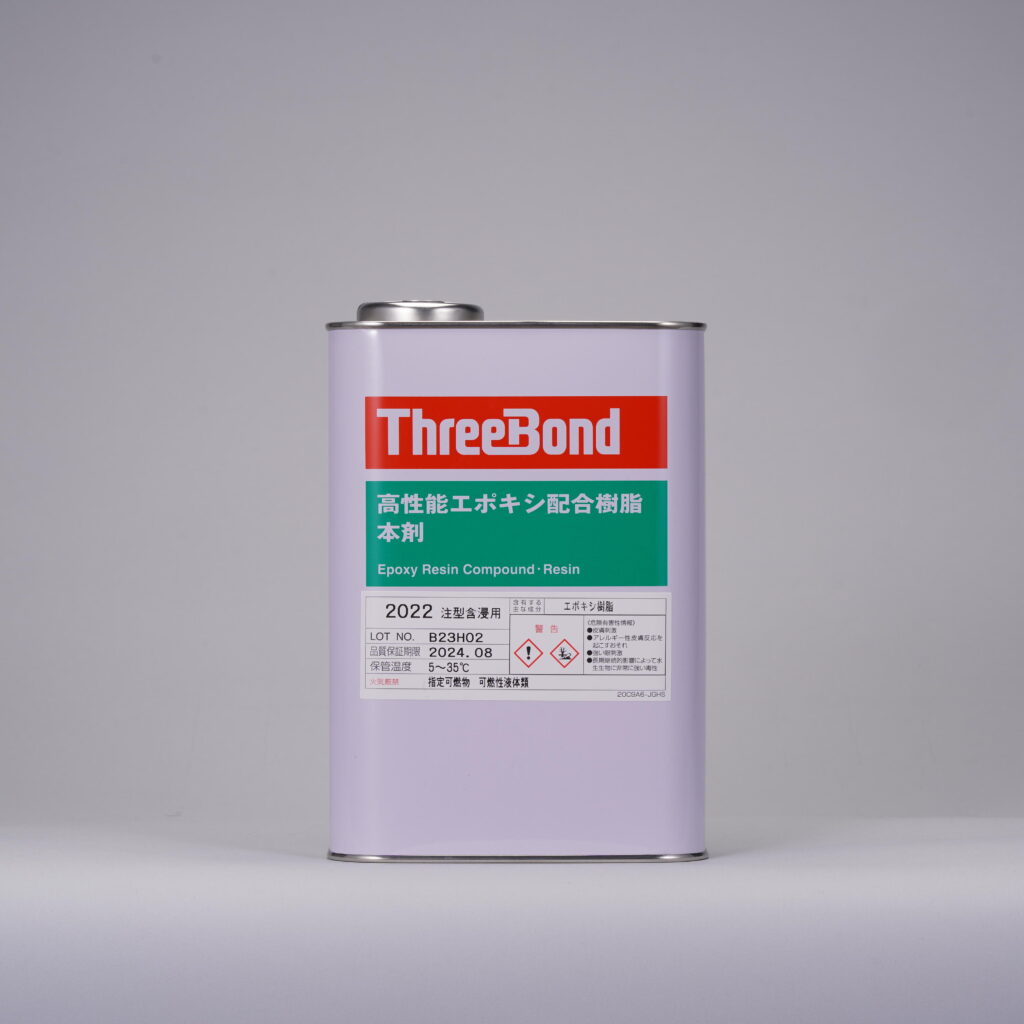
When ultimate structural integrity and heavy load transmission are required, ThreeBond 2022U is a go-to standard. This high-adhesive-strength epoxy is explicitly engineered for rugged structural applications that demand the seamless joining of different materials, such as bonding lightweight aluminum panels to high-strength steel vehicle bodies. It delivers exceptional lap shear and peel strength, creating an unyielding molecular bridge that evenly distributes mechanical stresses across the entire bond line.
2. ThreeBond 3953: Elastic Structural Adhesive
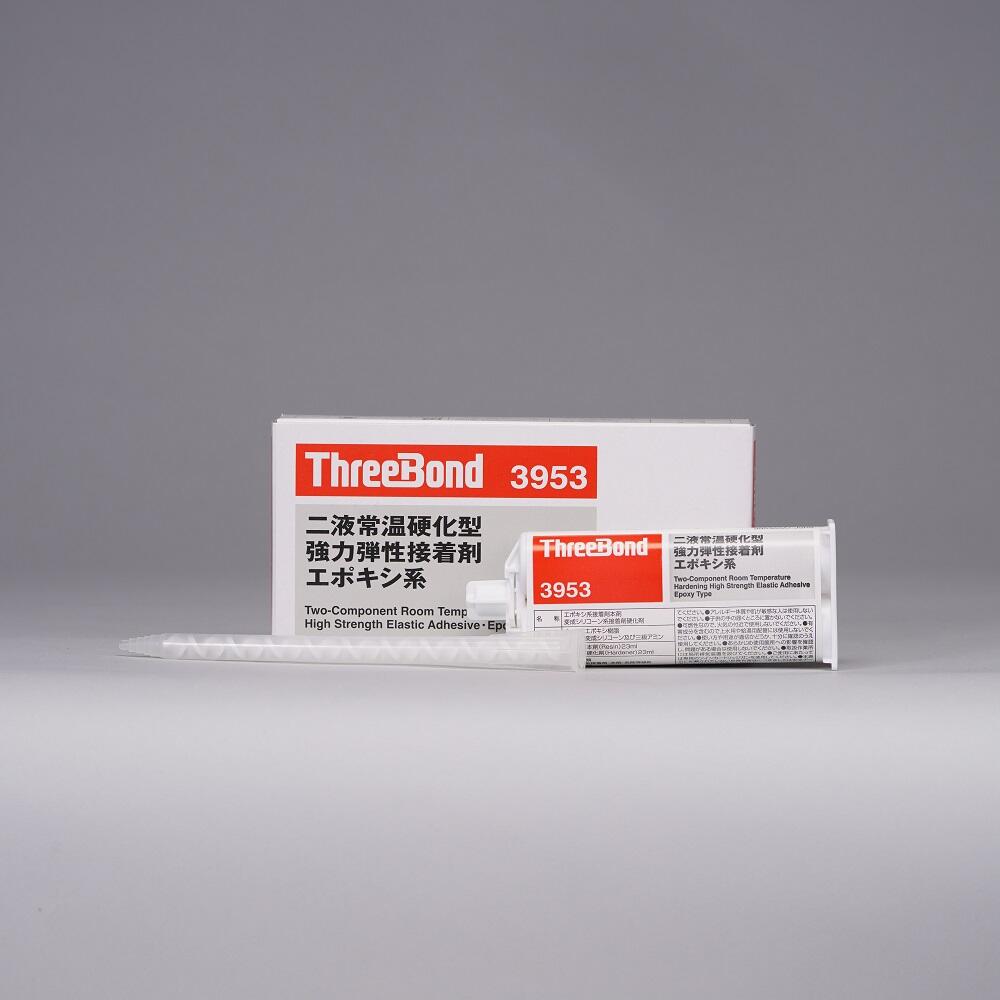
Mismatched materials expand and contract at wildly different rates under fluctuating temperatures. To prevent joints from warping, shearing, or delaminating under these thermal stresses, ThreeBond 3953 offers a non-solvent, two-part structural elastic formulation. It combines elite adhesive strength with a flexible backbone designed to absorb intense vibration and mechanical shock. This makes it a preferred choice for bonding raw metals to engineered plastics and advanced composites—critical in EV and fuel-cell production.
3. ThreeBond 2086N: Fast-Curing Multi-Material Specialist
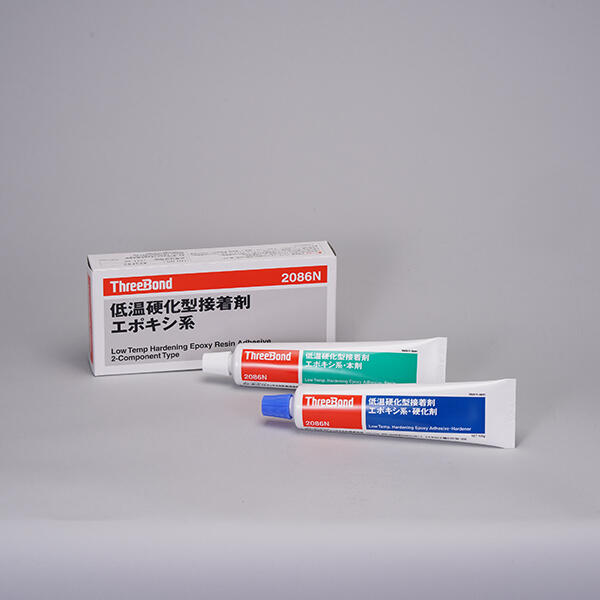
For high-volume manufacturing lines where assembly cycle time is a critical metric, ThreeBond 2086N provides a rapid-setting, two-component alternative. This versatile adhesive is unique for its capability to cure at temperatures as low as -5°C. It excels at rapidly bonding complex combinations of various metals, plastics, and rubbers, forming a tough, shock-resistant bond that keeps production moving forward.
Final Thoughts
The challenge of joining aluminum, steel, and composites is not going away. In fact, it’s growing as industries move toward lightweight and high-performance designs.
By adopting structural adhesives — especially advanced epoxy solutions — you can overcome these limitations with ease.
If you are looking for a proven solution, explore the range available at threebondindia.com and see how you can upgrade your manufacturing process today.
Because sometimes, the strongest bond isn’t made with heat — it’s made with the right chemistry.




Post a comment